As we approach the latter part of the decade, climate scientists are raising alarms about the expected weather patterns for 2026. Recent climate analysis indicates significant changes that could impact global ecosystems, economies, and communities. This report synthesizes findings from various climate studies to provide insight into what the future may hold.
Projected Increase in Extreme Weather Events
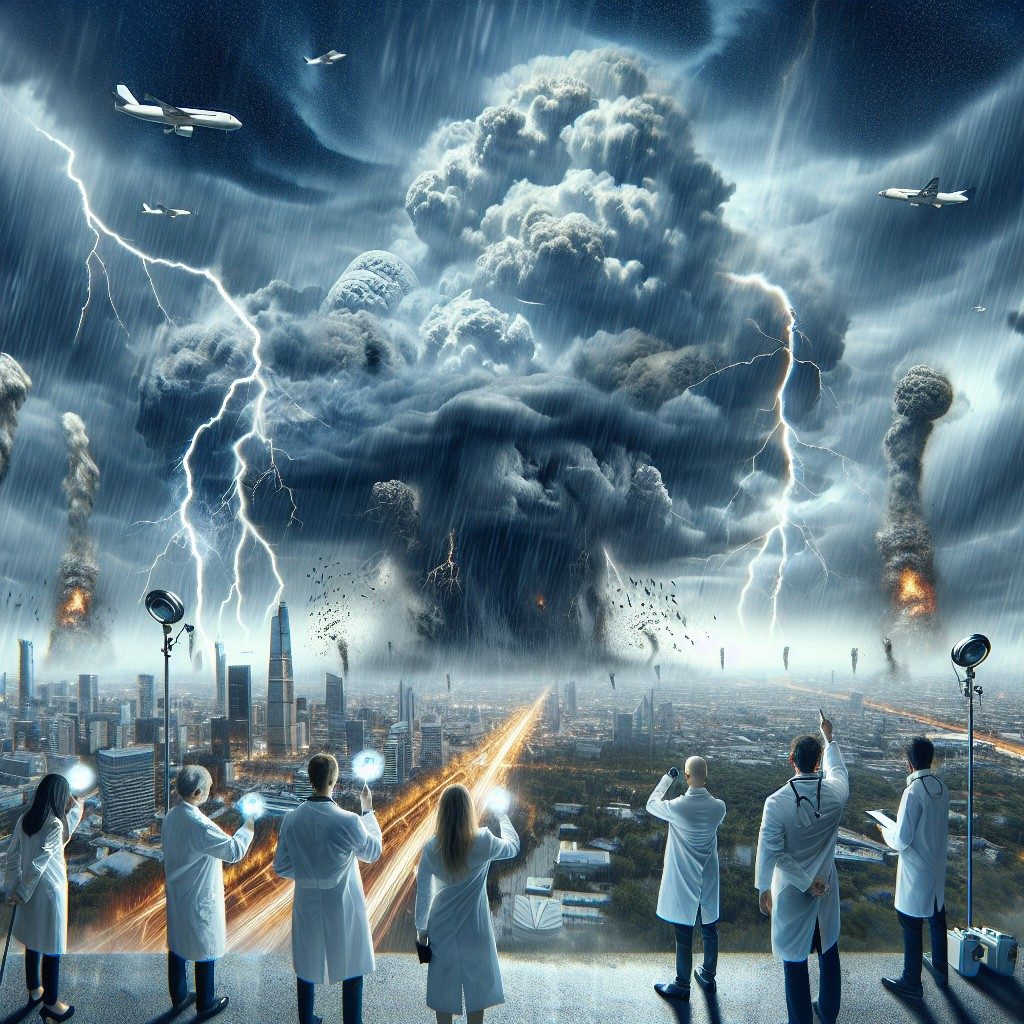
Experts predict an alarming rise in extreme weather events by 2026. A climate analysis conducted by the Intergovernmental Panel on Climate Change (IPCC) warns that regions already vulnerable to hurricanes, droughts, and flooding will face intensifying conditions. The frequency of category 4 and 5 hurricanes could increase, posing greater risks to coastal cities.
Temperature Anomalies and Their Implications
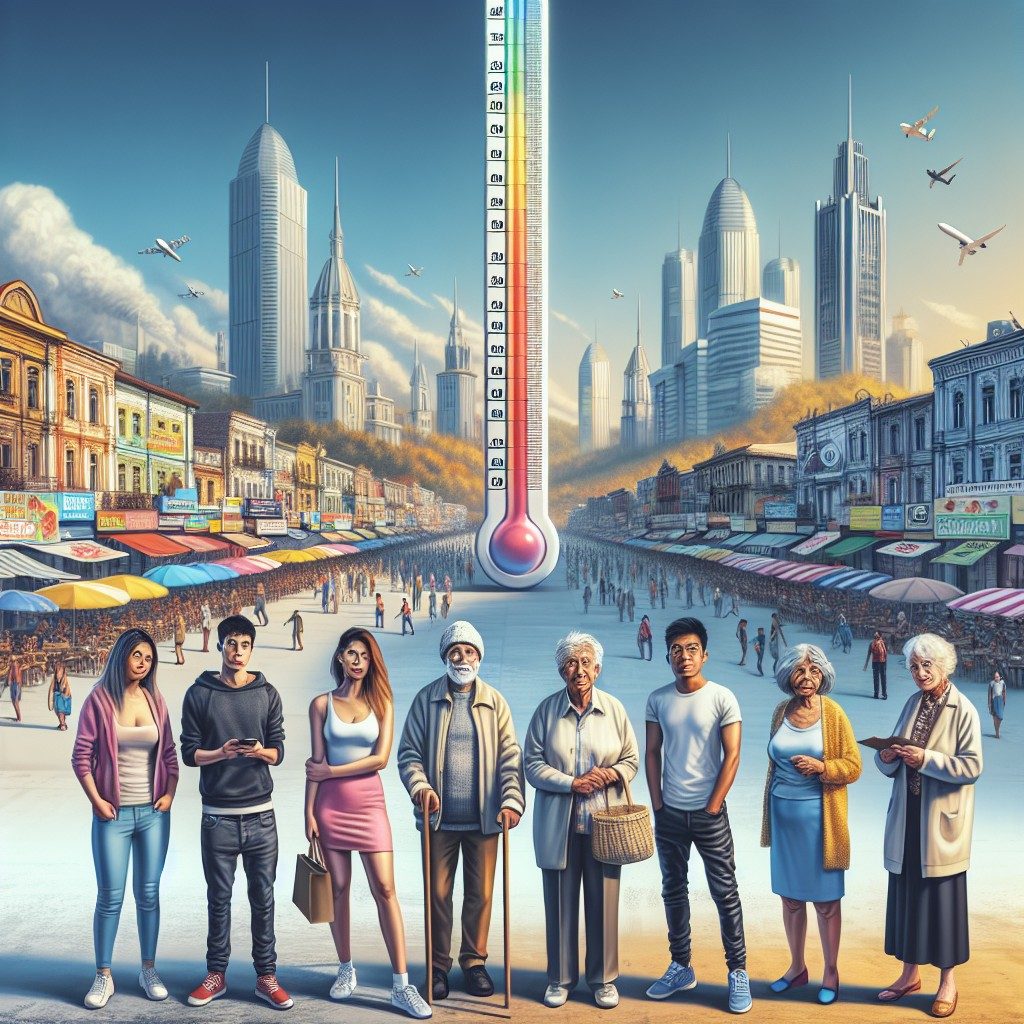
Climate analysis reveals that global temperatures may surpass critical thresholds in the next few years. The prospective rise in average global temperatures could lead to unprecedented heatwaves, particularly in urban areas lacking adequate cooling infrastructure. Local governments will need to adapt urban planning to mitigate heat effects, emphasizing the importance of shading, green spaces, and energy-efficient designs.
Global Economic Impact and Adaptation Strategies
The economic ramifications of these predicted weather patterns are considerable. Agriculture, which heavily relies on predictable weather, is facing instability as climate analysis suggests shifting growing seasons and crop viability. This could lead to food shortages and increased prices globally. To combat these challenges, it’s essential for nations to invest in sustainable practices and technology that improve resilience. Collaboration between governments and private sectors may be necessary to develop adaptive solutions for agriculture and other vulnerable industries.
Conclusion: Navigating an Uncertain Future
The climate analysis leading up to 2026 presents a challenging outlook. As scientific data continues to evolve, it underscores the urgency for immediate action. Policymakers, businesses, and individuals must work together to address these impending changes by implementing sustainable practices and preparing for the unexpected. The way forward depends on collective efforts to mitigate the impact of these alarming predictions.
Frequently Asked Questions about Climate Analysis
What is climate analysis and why is it important?
Climate analysis involves assessing data on weather patterns and climate trends to understand potential future changes. It is essential for developing strategies to combat climate change.
How do scientists conduct climate analysis?
Scientists use computer models, observational data, and historical climate records to conduct climate analysis, allowing them to predict future weather patterns and impacts.
What are the key findings of recent climate analysis studies?
Recent climate analysis studies indicate an increase in extreme weather events, global temperature rise, and significant economic impacts on various sectors.
How can communities prepare based on climate analysis?
Communities can prepare by investing in infrastructure improvements, enhancing disaster response plans, and implementing sustainability initiatives informed by climate analysis.
Where can I find more information on climate analysis?
For more detailed information on climate analysis, you can visit the IPCC, which provides comprehensive reports and data on climate-related topics.