As global temperatures continue to rise, cities worldwide are facing unprecedented heatwaves that pose significant health risks and infrastructural challenges. Understanding how urban areas implement a heatwave response is crucial for mitigating these impacts and protecting residents.
Early Warning Systems and Public Alerts
Many cities have developed early warning systems designed to inform residents of forthcoming dangerous heat conditions. These systems often include meteorological forecasts combined with public health data, enabling authorities to issue timely alerts via multiple channels such as SMS, social media, and local broadcast networks. For example, cities like Paris and Madrid use heat-health watch warning systems to notify vulnerable populations and the general public about extreme heat events, facilitating precautionary measures.
Establishment of Cooling Centers and Accessible Public Spaces
To combat the health risks associated with heatwaves, urban areas frequently open cooling centers where residents can find respite from high temperatures. These centers are often located in community centers, libraries, and other public buildings equipped with air conditioning. Cities like Tokyo and Chicago have expanded the availability of such spaces during heat spikes to reduce heat-related illnesses, especially among the elderly and those without access to adequate cooling at home.
Infrastructure Adaptations to Reduce Urban Heat
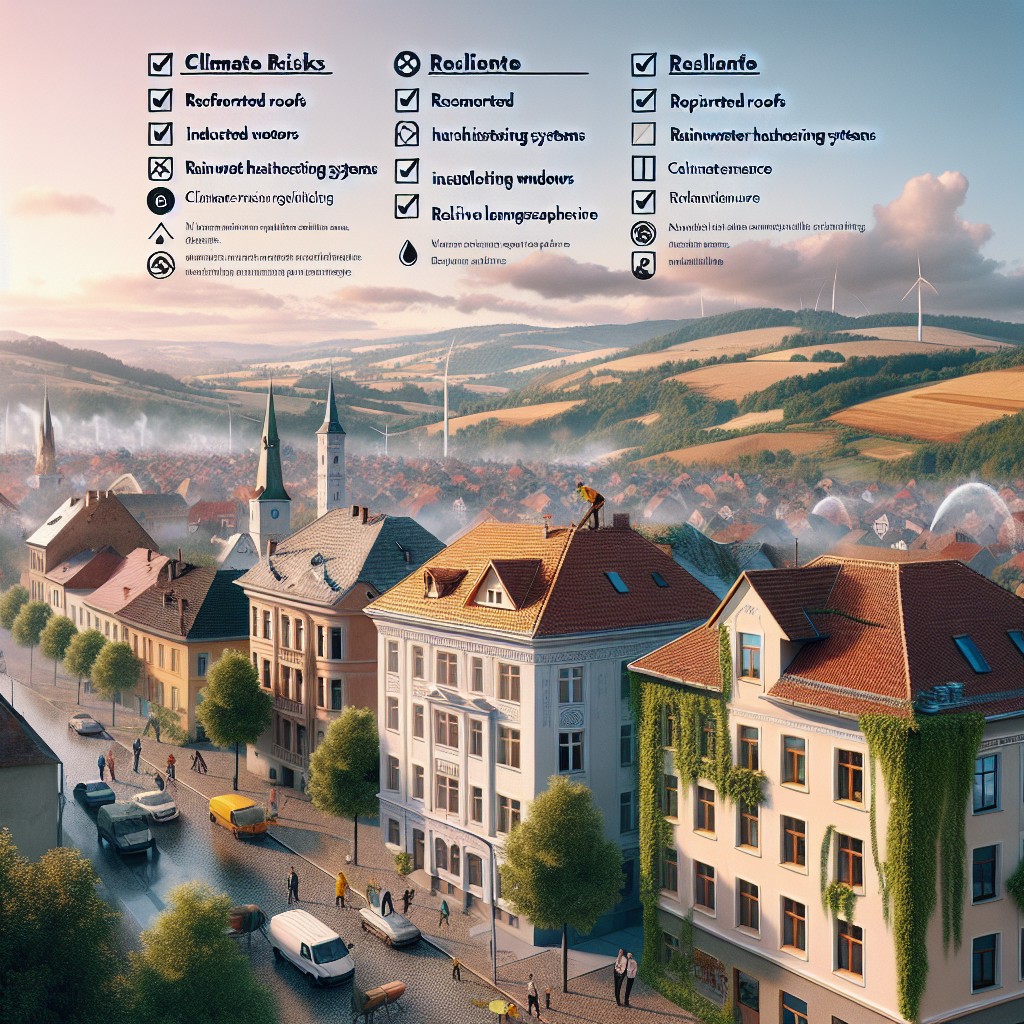
Urban heat islands exacerbate the impact of heatwaves by increasing local temperatures in densely built environments. To address this, various cities implement infrastructural changes as part of their heatwave response strategies. These include increasing green spaces, planting trees, installing reflective roofing, and enhancing urban planning to promote airflow. Singapore’s extensive urban greening program and Melbourne’s tree-planting initiatives serve as leading examples of long-term adaptation to sustained higher temperatures.
Healthcare System Preparedness and Response
Heatwaves place additional pressure on healthcare systems due to increased incidences of heat exhaustion, heatstroke, and related complications. Effective heatwave response involves preparedness measures such as training healthcare workers, increasing hospital bed capacity, and ensuring ready availability of intravenous fluids and cooling equipment. In areas prone to extreme heat, such as Australia’s major cities, hospitals coordinate with emergency services to manage surges in heat-related admissions during heatwave periods.
Community Outreach and Support for Vulnerable Populations
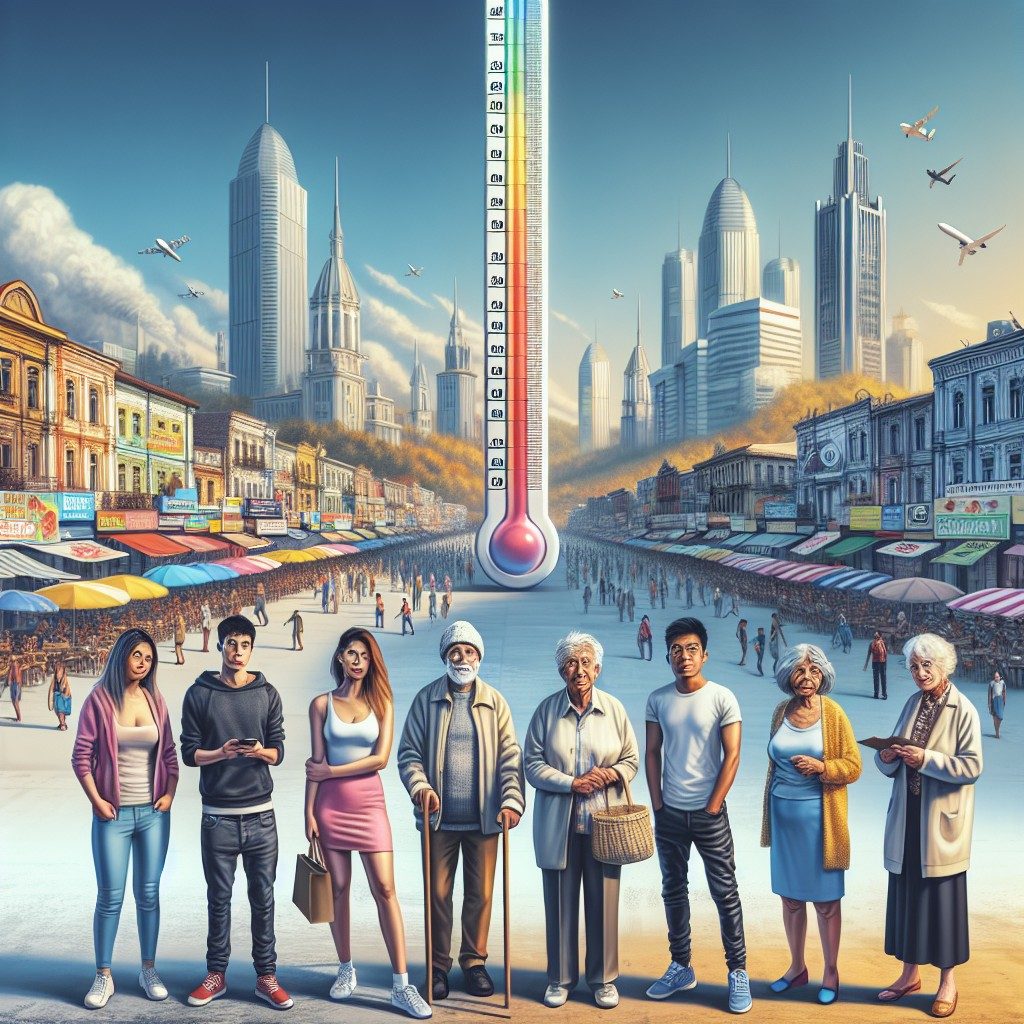
One critical aspect of heatwave response is targeted outreach to populations at higher risk, including the elderly, people with chronic illnesses, low-income communities, and outdoor workers. Cities often collaborate with social services and non-governmental organizations to conduct wellness checks, provide educational resources, and distribute necessary supplies such as water and fans. For instance, during recent heatwaves, New York City deployed outreach teams to contact seniors and ensure their safety and hydration.
Overall, heatwave response strategies are evolving globally as cities confront the growing frequency and intensity of extreme heat events. By combining early alerts, infrastructure improvements, healthcare readiness, and community support, urban areas aim to reduce the adverse impacts on public health and maintain resilience in a warming world.
Heatwave response will likely continue to adapt as climate scientists provide enhanced forecasting tools and as urban planners incorporate climate resilience into city designs. These coordinated efforts are essential in ensuring that rising temperatures do not translate into disproportionate harm or preventable tragedies.
Frequently Asked Questions about heatwave response
What is a heatwave response and why is it important?
A heatwave response comprises the measures and plans that cities implement to protect people and infrastructure when temperatures spike. It is essential because heatwaves can cause serious health problems and strain urban systems.
How do early warning systems enhance heatwave response?
Early warning systems provide timely information about impending heatwaves, allowing individuals and organizations to prepare and take protective actions, which reduces heat-related illnesses and deaths.
What kind of infrastructure changes are part of heatwave response?
Heatwave response includes infrastructure adaptations like increasing green spaces, enhancing tree cover, using reflective materials, and improving urban planning to lower the urban heat island effect.
How do cities support vulnerable populations during heatwaves?
Cities support vulnerable groups by providing cooling centers, conducting outreach programs, delivering resources, and ensuring they have access to medical care during extreme heat events as part of heatwave response efforts.
Can healthcare systems cope with the increased demand during heatwaves?
Effective heatwave response involves preparing healthcare systems with additional training, resources, and capacity to manage the rise in heat-related health emergencies during heatwaves.