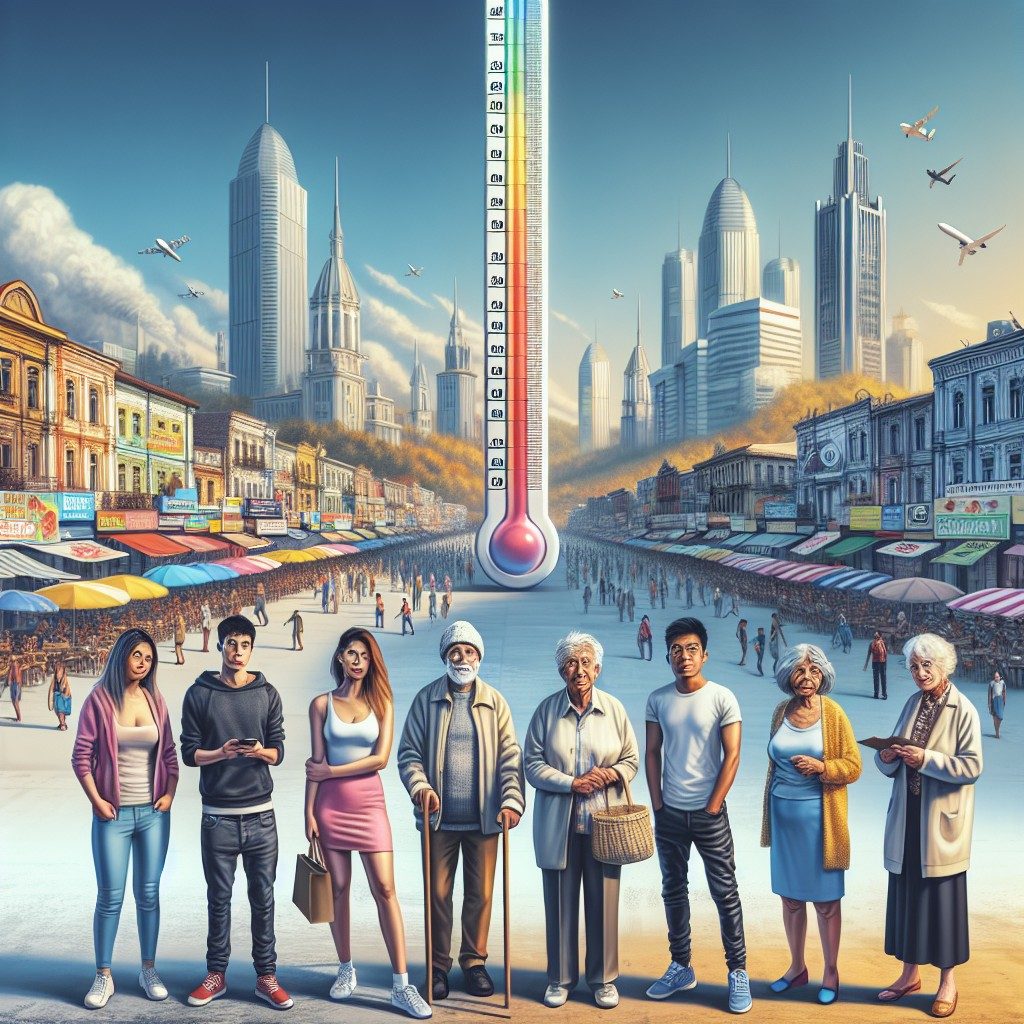
As international travel and global business engagements resume, awareness of climate risk abroad becomes increasingly important. Travelers and expatriates face unique challenges from changing weather patterns, extreme events, and environmental uncertainties. However, staying informed without falling into the trap of doomscrolling is essential for effective preparation and resilience.
Understanding climate risk in a global context
Climate risk refers to the potential negative impacts arising from climate change and environmental hazards, including rising sea levels, extreme heat, storms, and droughts. When abroad, individuals encounter these risks in diverse geographic and socio-economic contexts, which can influence both the likelihood and severity of potential hazards. For example, regions vulnerable to typhoons or flooding demand particular attention to local climate data and hazard mitigation strategies. Understanding the specific climate risks associated with your destination helps in tailoring personal and professional preparation plans.
Reliable sources for climate risk information
Access to accurate and up-to-date climate risk information is critical. International organizations such as the World Meteorological Organization and governmental agencies provide scientific data on climate trends and hazards. Travelers and businesses should consult official websites and meteorological services to obtain localized and validated forecasts. Relying on social media or unofficial channels alone can lead to misinformation or heightened anxiety. Instead, directing attention to recognized authorities offers actionable intelligence without unnecessary alarm.
Balancing awareness and mental well-being
The constant influx of alarming climate news can lead to a phenomenon known as doomscrolling—endlessly consuming negative information online. While staying informed is important, excessive exposure can affect mental health and decision-making abilities. Moderation, setting specific times for information updates, and focusing on constructive guidance can mitigate these effects. Engaging with community resources or professional advisors knowledgeable about climate risk can provide practical insights that empower rather than overwhelm.
Practical steps to prepare for climate risk abroad
Preparation begins with assessing local vulnerabilities and understanding emergency protocols. This includes registering with embassies or consulates, securing appropriate insurance covering climate-related incidents, and keeping emergency kits ready. Awareness of evacuation routes and access to reliable communication networks is also vital. Travelers should develop contingency plans that consider possible disruptions to transport, health services, and infrastructure affected by climate events.
Role of international cooperation in managing climate risk
Addressing climate risk abroad is a collaborative effort involving governments, businesses, and civil society. International frameworks and agreements facilitate data sharing, resource allocation, and disaster response coordination. These mechanisms aim to reduce vulnerabilities and build resilience in communities worldwide. For individuals, understanding these structures can enhance preparedness by highlighting available support and guiding decision-making during climate-related emergencies.
Conclusion
Climate risk abroad presents a complex challenge that requires informed awareness and practical preparation. By relying on trusted sources, balancing information consumption, and taking concrete precautions, individuals can navigate these risks more effectively. As climate patterns continue to evolve globally, integrating climate risk considerations into travel and relocation plans will become increasingly standard, contributing to safer and more resilient international experiences.
Frequently Asked Questions about climate risk
What does climate risk mean when traveling abroad?
Climate risk refers to the exposure to environmental hazards caused by climate change, such as extreme weather, which can affect safety and logistics during international travel.
How can I find accurate information about climate risk at my destination?
Accessing information from official meteorological agencies and international organizations provides reliable data on climate risk relevant to your travel location.
What steps can I take to prepare for climate risk overseas without becoming overwhelmed?
Focusing on credible sources, setting specific times to check updates, and creating emergency plans help manage climate risk without succumbing to information overload.
Are there international resources to assist travelers facing climate risk abroad?
Yes, many governments have embassy support systems, and international bodies coordinate disaster response efforts that can aid travelers during climate-related emergencies.
Why is understanding local climate risk important before relocating abroad?
Knowing the specific climate risks in an area helps tailor preparedness measures, ensures personal safety, and informs decisions about housing and insurance.