Disasters can strike without warning, impacting communities, economies, and individual lives profoundly. Preparing in advance, through disaster readiness, is essential in minimizing chaos and reducing damage when emergencies occur. Understanding basic strategies and implementing them can make a significant difference in outcomes during critical moments.
Understanding the Importance of Disaster Readiness
Disaster readiness involves actions and planning aimed at equipping individuals, families, and organizations with the knowledge and resources to respond effectively to natural or man-made catastrophes. It helps reduce panic, facilitates efficient use of emergency services, and limits loss of property and life. The unpredictability of events such as hurricanes, earthquakes, floods, and fires makes preparedness indispensable for safeguarding well-being and infrastructure.
Developing a Comprehensive Emergency Plan
A cornerstone of effective disaster readiness is having a clear, practical emergency plan. This plan should outline key steps to follow before, during, and after a disaster. It typically includes identification of safe shelters, communication protocols with family members or colleagues, and evacuation routes. Ensuring all participants understand their roles contributes to smoother execution and reduces confusion when time is critical.
Gathering Essential Supplies and Resources
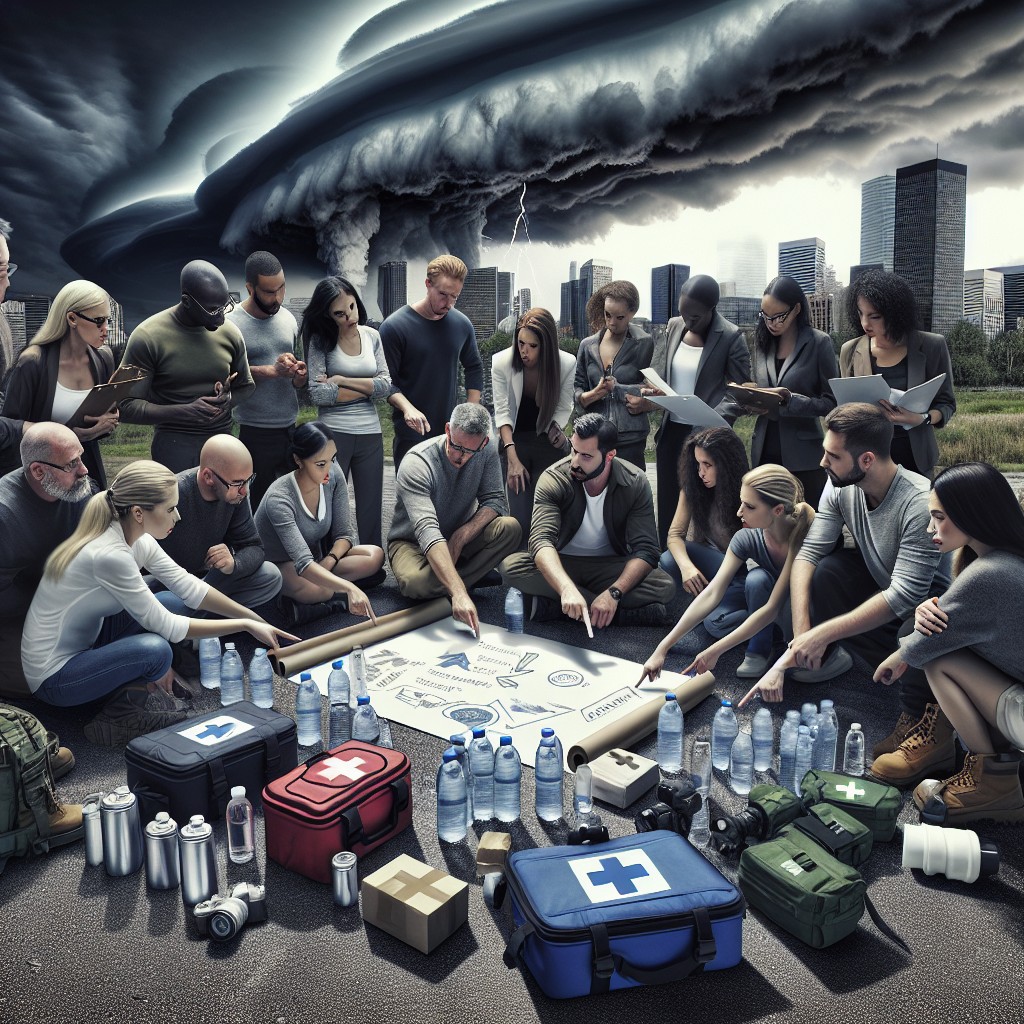
Equipping a disaster kit is another fundamental aspect of disaster readiness. Kits should contain basic necessities such as water, non-perishable food, medical supplies, flashlights, batteries, and personal hygiene items. Regularly updating these supplies according to changing needs or expiration dates guarantees readiness whenever disaster strikes. Individuals and organizations alike benefit from assessing their particular circumstances to tailor their kits appropriately.
Training and Community Engagement
Training exercises and community drills play a vital role in strengthening disaster readiness. These activities give people practical experience in responding to emergencies, which can alleviate anxiety and improve performance under stress. Community engagement fosters a culture of preparedness by encouraging information-sharing and collective responsibility. Local governments, schools, and businesses often collaborate to organize such initiatives, increasing overall resilience.
Leveraging Technology and Information Sources
Access to timely, accurate information enhances disaster readiness significantly. Advances in communication technologies have made it possible to receive alerts, weather updates, and safety instructions in real-time. Utilizing official platforms and applications from trusted organizations ensures that individuals stay informed and can adjust their plans accordingly. Maintaining situational awareness enables proactive measures that may prevent or mitigate the impact of disasters.
Conclusion
Systematic disaster readiness is a critical factor in reducing panic and limiting losses during emergencies. Building robust plans, assembling essential supplies, participating in training, and staying informed through reliable sources collectively strengthen society’s ability to withstand and recover from crises. As global challenges evolve, ongoing commitment to preparedness is expected to become increasingly important for communities worldwide.
Frequently Asked Questions about disaster readiness
What is the fundamental goal of disaster readiness?
The fundamental goal of disaster readiness is to prepare individuals and communities to respond efficiently and safely to emergencies, thereby minimizing panic, injuries, and property damage.
How often should I update my disaster readiness plan and supplies?
It is recommended to review and update your disaster readiness plan and supplies at least once a year or whenever significant changes occur in your household or environment.
Where can I find reliable information to enhance my disaster readiness?
Reliable information on disaster readiness is available from international authorities such as the Federal Emergency Management Agency (FEMA) and the United Nations Office for the Coordination of Humanitarian Affairs (UNOCHA).
Can community involvement improve disaster readiness?
Yes, community involvement improves disaster readiness by fostering shared knowledge, supporting coordinated responses, and enhancing resilience through joint preparedness activities.
What role does technology play in modern disaster readiness?
Technology facilitates modern disaster readiness by providing real-time alerts, communication tools, and access to official updates, helping individuals make informed decisions rapidly during emergencies.