As Romania faces increasing climate-related threats such as floods, droughts, and heatwaves, adopting a practical climate risk checklist becomes essential to mitigate potential damages. Effective adaptation strategies tailored to the country’s specific challenges can enhance resilience at both community and infrastructure levels.
Understanding Romania’s Climate Vulnerabilities
Romania’s diverse geography exposes it to various climate risks, including rising temperatures, altered precipitation patterns, and extreme weather events. Flooding is particularly prevalent in low-lying areas and along rivers such as the Danube. Simultaneously, the south-eastern regions experience water scarcity risks due to prolonged droughts. Recognizing these vulnerabilities is the first step in implementing a robust climate risk checklist to prioritize appropriate adaptation measures.
Integrating Climate Risk Assessment in Urban Planning
Urban centers in Romania require targeted interventions to accommodate the changing climate. Incorporating a climate risk checklist into city planning aids in identifying infrastructure weaknesses and potential hotspots for heat stress or flood risk. Urban planners are increasingly emphasizing green spaces and sustainable drainage systems to manage stormwater, which are cost-effective upgrades that can substantially reduce damage from intense rainfall events.
Enhancing Infrastructure Resilience through Simple Retrofits
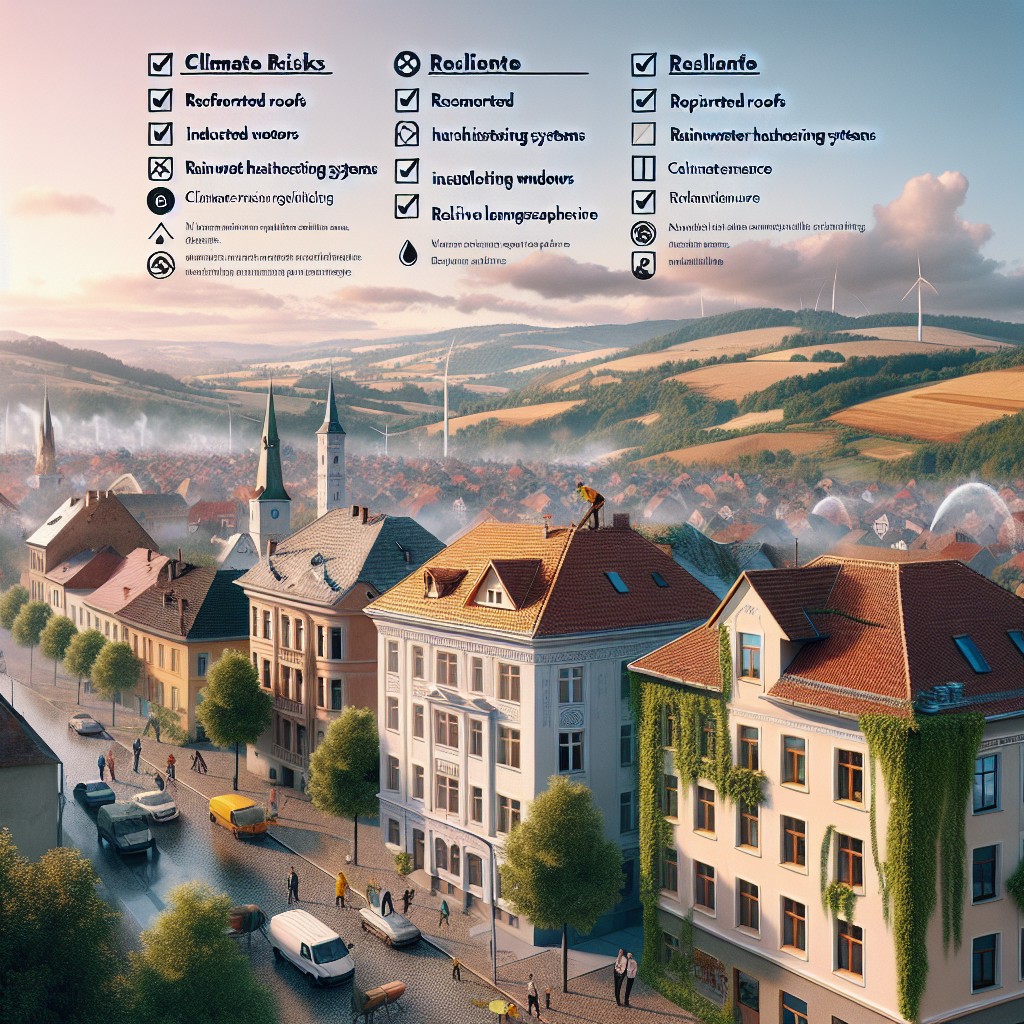
Many existing buildings and infrastructures in Romania were not constructed under modern climate-resilient standards. Small upgrades such as improved insulation, elevated foundations, and flood barriers contribute significantly to reducing damage from extreme weather events. Additionally, reinforcing critical transport and energy infrastructure ensures continuity of essential services during climate-induced disruptions, which is a key component of the climate risk checklist.
Strengthening Agricultural Practices to Manage Climatic Stress
Romania’s agricultural sector is highly sensitive to climate variability. Employing a comprehensive climate risk checklist helps farmers adapt by modifying crop choices, implementing efficient irrigation techniques, and adopting soil conservation measures. These methods not only sustain productivity during droughts or floods but also contribute to environmental sustainability, aligning with national and EU climate adaptation frameworks.
Community Engagement and Early Warning Systems
Public awareness and community participation are critical elements of a successful climate risk checklist. Educating residents on climate hazards and response actions improves individual and collective preparedness. Furthermore, integrating advanced early warning systems for floods and heatwaves has proven effective in reducing casualties and property damage. Authorities in Romania continue to develop these systems, integrating climate risk data to enhance responsiveness.
Conclusion: The Necessity of a Climate Risk Checklist for Romania’s Future
Romania’s ability to adapt to escalating climate risks hinges on practical and well-structured measures. A climate risk checklist focusing on targeted, low-cost upgrades can significantly curtail the adverse effects of extreme weather events. As climate models predict increasing variability in the region, Romania’s embrace of such strategies will be crucial in safeguarding its population, infrastructure, and economy from future climate-related damage.
Frequently Asked Questions about climate risk checklist
What is a climate risk checklist and why is it important for Romania?
A climate risk checklist is a tool designed to identify and address vulnerabilities related to climate change. For Romania, it provides a structured approach to reduce damage from floods, droughts, and heatwaves by implementing targeted adaptation measures.
How often should the climate risk checklist be updated in Romania?
Given the evolving nature of climate data and risk factors, Romania should review and update its climate risk checklist regularly, ideally every few years, to incorporate the latest scientific findings and technological advancements.
Can small upgrades identified by the climate risk checklist make a significant impact?
Yes, small upgrades such as improved insulation, green infrastructure, and early warning systems, identified through the climate risk checklist, have proven effective in minimizing damage and enhancing resilience at community and infrastructure levels.
Who is responsible for implementing the climate risk checklist in Romania?
Implementation involves multiple stakeholders, including government bodies, urban planners, farmers, and communities. Coordination among these entities ensures that the climate risk checklist translates into practical adaptation actions throughout Romania.
Where can I find reputable resources to develop a climate risk checklist for Romania?
International organizations such as the Intergovernmental Panel on Climate Change (IPCC) and the United Nations Environment Programme (UNEP) provide authoritative guidelines and frameworks that can support Romania’s climate risk checklist development and implementation.