Water security remains a critical challenge across the globe, impacting populations, economies, and ecosystems. As the world faces increasing water scarcity due to various factors, understanding why shortages occur and identifying scalable solutions is essential to ensure sustainable access to this vital resource.
Factors Driving Global Water Security Challenges
Water security shortfalls arise from a complex blend of natural and human-induced factors. Climate change contributes significantly, altering precipitation patterns and accelerating droughts in many regions. Population growth escalates demand for freshwater, putting additional strain on limited supplies. Furthermore, urbanization and industrial development often outpace the expansion of water infrastructure, leading to inefficiencies and heightened vulnerability.
The Impact of Water Overuse and Pollution
Unsustainable extraction of groundwater and surface water has depleted aquifers and reduced river flows globally. Agricultural irrigation consumes the largest share of freshwater, and inefficient practices worsen water scarcity. Pollution from industrial discharge, agricultural runoff, and inadequate sanitation contaminates freshwater sources, rendering vast quantities of water unsafe for human consumption or ecosystem use, further undermining water security.
Technological Innovations Enhancing Water Security
Emerging technologies offer promising avenues to address water security concerns. Advanced wastewater treatment and reuse systems allow for the recovery of water in urban and industrial settings. Desalination technology is increasingly cost-effective and provides freshwater from seawater, particularly in arid coastal areas. Smart water management, utilizing sensors and real-time data analytics, helps optimize water use and detect leaks, improving efficiency across supply networks.
Policy and Governance Approaches to Strengthen Water Security
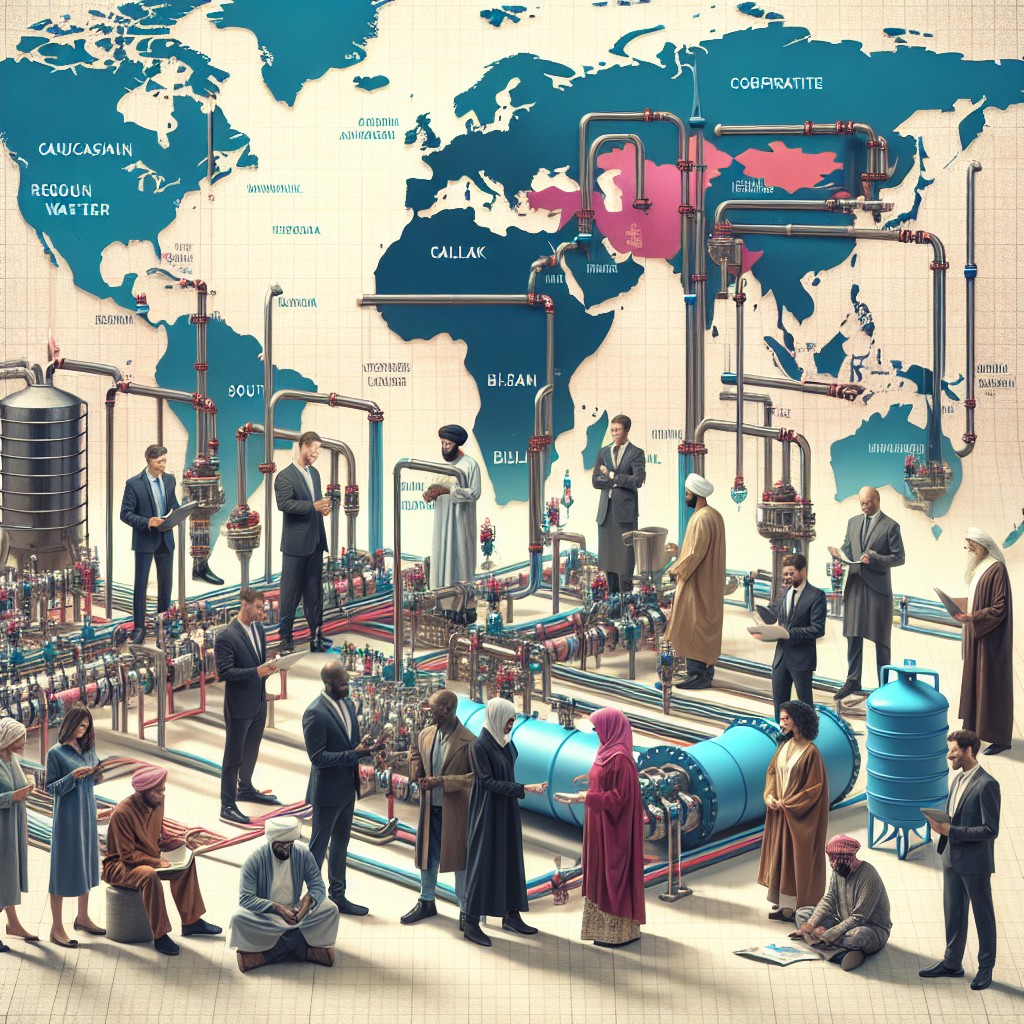
Effective water governance is vital for sustainable management. Integrated water resource management (IWRM) frameworks encourage cooperation across sectors and borders to balance water use and protect supplies. International organizations, including the United Nations Water, promote coordinated policies and support developing nations in building resilient water infrastructure. Legal regimes that regulate allocation, quality standards, and conservation incentives also play a critical role in maintaining water security.
Community and Ecosystem-Based Solutions Scaling Globally
Nature-based solutions such as wetland restoration and watershed protection contribute to enhancing water availability and quality. These approaches offer cost-effective means to buffer against floods and droughts while supporting biodiversity. Community engagement in water conservation fosters sustainable behaviors and local stewardship, which are essential for long-term water security. Programs that integrate traditional knowledge with scientific practices have shown effectiveness in various regions.
Ensuring water security worldwide requires multi-dimensional strategies involving technological, policy, and social components. As climate variability and human activities continue to pressure water resources, coordinated global efforts and locally adapted solutions will be crucial in mitigating future shortages.
Frequently Asked Questions about water security
What does water security mean in a global context?
Water security refers to the reliable access to sufficient and safe water for health, livelihoods, and ecosystems on a global scale, considering variability and potential threats.
Why are water shortages becoming more common worldwide?
Water shortages stem from a combination of climate change effects, rising demand due to population growth, pollution, and mismanagement of water resources.
How do water security issues affect economic development?
Lack of water security can limit agricultural production, increase health risks, and disrupt industries, thereby hampering economic growth and social stability.
What role do international organizations play in promoting water security?
International organizations support water security by facilitating cooperation, funding infrastructure projects, setting standards, and sharing knowledge among countries.
Can technology alone solve water security problems?
While technology is crucial in improving water use efficiency and supply, effective water security also depends on sound governance, policy frameworks, and community participation.